

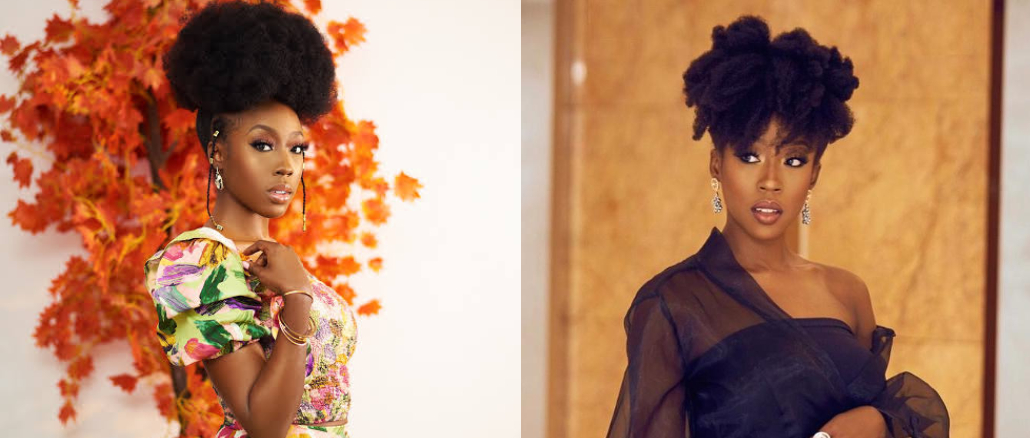
- Beverly Naya, a Nollywood actress and filmmaker, addresses colorism in Nigeria.
- She was inspired to act after discovering the prevalence of skin-lightening products among Nigerian women.
- Initially aimed to create an anti-bullying campaign upon moving to Nigeria.
Nollywood actress and filmmaker Beverly Naya has opened up about the issue of colorism in Nigeria, revealing that learning about the widespread use of skin-lightening products among Nigerian women inspired her to take action.
Speaking on the One54 Podcast, Naya recalled how she initially wanted to create an anti-bullying campaign after relocating to Nigeria. However, her research led her in a different direction.
“When I moved back to Nigeria, I wanted to do an anti-bullying campaign because I was bullied as a child. But while researching, I came across a statistic that said 77% of Nigerian women bleach their skin. That completely changed everything for me.”
She explained that the discovery prompted her to produce her documentary, Skin, which explores colorism, beauty standards, and the pressure many people face to alter their natural appearance.
Naya described colorism as a deeply rooted social issue that places lighter skin on a pedestal while making darker-skinned individuals feel less valued.
“It’s not just about skin bleaching. It’s about how society has conditioned people to believe that lighter skin is more beautiful, more acceptable, and more desirable.”
The actress also reflected on the discrimination she witnessed after returning to Nigeria, saying many people did not even realize they were promoting colorism through the words they used.
“I heard people casually calling dark-skinned people names, and they didn’t even see anything wrong with it. That was when I realized how deeply embedded colorism is in our society.”
According to Beverly Naya, her goal is not to criticize anyone but to encourage conversations that promote self-love, confidence, and acceptance of natural beauty.
“I just wanted people to start having these conversations, to understand where these insecurities come from, and to embrace who they are without feeling the need to change their skin.”
Her comments have once again sparked discussions on social media about colorism, skin bleaching, and the societal pressures surrounding beauty standards in Nigeria.
See post below: