
The director general of the Africa Centres for Disease Control and Prevention has confirmed that 1,031 deaths have been reported in the fastest Ebola outbreak in history
A grim milestone has been reached as more than 1,000 people have now died amid a rapidly spreading outbreak of Ebola that has shocked world medics.
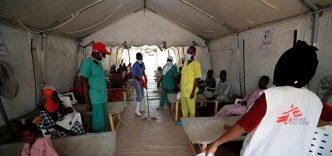
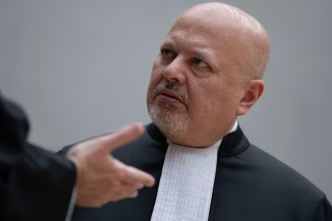
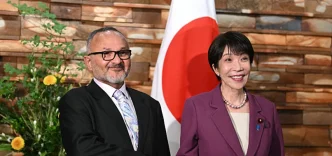
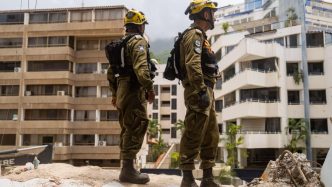
Dr Jean Kaseya, director general of the Africa Centres for Disease Control and Prevention, has given an update saying 1,031 deaths have now been confirmed in the ongoing crisis enveloping the Democratic Republic of Congo. It is the fastest Ebola outbreak in history, as attempts to combat the spread of the deadly disease have been hampered by conflict, community resistance and an uneven response across the provinces.
“These people are dying. They are dying because we don’t have vaccines, we don’t have medicine, we don’t have funding,” Dr Kaseya added. The latest data from Congo’s Ministry of Health showed that, as of Monday, there had been 2,437 cases recorded with at least 737 patients in isolation or hospital.
Current Ebola outbreak killing faster than any on record
One of the key things that differentiates this outbreak, which was declared on May 15, from others, and makes it deadlier, is that it is caused by the Bundibugyo virus. It has left a devastating trail of destruction in its wake as it spread through the Central African nation due to it being less common than other causes, and because there is no approved vaccination or treatment. According to the US Centers for Disease Control and Prevention, more than 100 fatalities were reported in the first week of July.
This outbreak, the 17th in the DRC, has killed more people at a faster rate than any outbreak on record, including that of 2013-2016 which was considered the worst on record with more than 11,000 deaths out of at least 28,000 cases. That outbreak took around eight months to reach the grim death toll of 1,000 people from the first case – this one has done that in just two months.
Even more worryingly, the World Health Organization has warned the true scale of the outbreak could be two to four times larger than official figures indicate. This is because some of the communities at the epicentre in Ituri province remain difficult to reach due to fighting between rebel groups and attacks on healthcare and frontline workers.
Ebola is rare, but highly contagious, and can be passed to people from wild animals. Human-to-human transmissions takes place through contact with bodily fluids of an infected person, such as vomit, blood, or semen, as well as through contact with contaminated surfaces and materials such as bedding and clothes.
Officials have warned that 80% of new cases have emerged outside known chains of transmission – a signal that the outbreak is spreading faster than officials can track it, even as they step up their responses. Last month, researchers at the US Centers for Disease Control and Prevention used computer modeling to estimate how the outbreak could evolve.
They warned that in a worst-case scenario, it could approach the scale of the 2014-2016 West Africa epidemic, which killed more than 11,000. Trish Newport, emergency program manager for Doctors Without Borders, who has been working in Congo, said: “There’s never been an Ebola outbreak that started with so many cases because it was so late to be identified.”
“It’s like the outbreak is running the response,” she added. Epidemiologist at the University of Pittsburgh Dr Jean Nachega, who is advising African health authorities, said he does not expect the outbreak to reach the CDC’s worst-case scenario, but warned the challenges remain “huge.”
Disorganised response and calls for more to be done
One humanitarian worker involved in the response, speaking on condition of anonymity as he was not authorised to speak publicly, described poor coordination between response agencies, delays in transferring patients to treatment centres, and waits of more than four days for some Ebola test results. He said: “At times, it’s unclear who is doing what and where.”
The delays have meant some patients are leaving health facilities before they can be diagnosed, increasing the risk of further tranmission, the worker said. Dr Kaseya has called for intensified efforts to slow the outbreak on the first day of a health summit in Ghana on Tuesday. He said: “If we do not stop this outbreak today, it could become one of the worst Ebola outbreaks the world has ever documented.”
Less than 9% of contacts of confirmed patients who are expected to be traced are currently being monitored – far below the level needed to contain the outbreak, according to Africa CDC. More than 60% of deaths are happening in the community before patients can even receive care.
Ebola response incident manager at the National Public Health Institute of the Democratic Republic of the Congo, Pierre Akilimali, said the high number of community deaths suggests that many infections are not being detected or isolated in time, allowing the virus to continue its devastating spread.
Healthcare workers hampered by resistance and violence
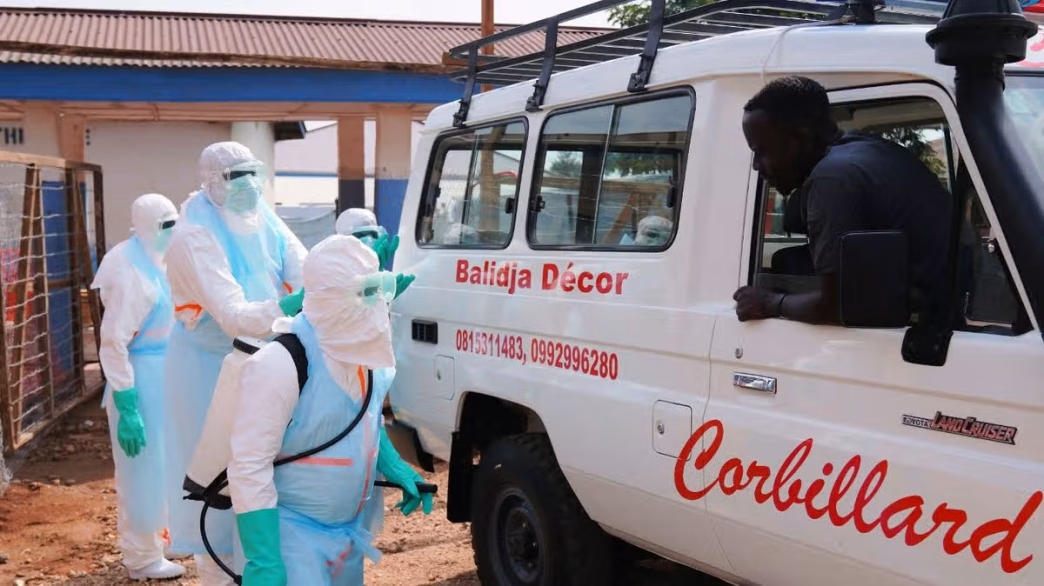
Response teams attempting to combat the rapid spread of the disease are facing pushback from locals and even violence in Ituri province, the worst hit area, and four other provinces. Head of civil protection in Ituri province Robert Ndjalonga said some communities have refused to allow burial teams to work as they would rather carry out a traditional burial, which increases the risk of further transmission.
Traditional funerals have been restricted as they involve loved ones washing and preparing the bodies for burial, which increases the risk of coming into contact with the bodily fluids of an infected person. Mf Ndjalonga said: “The biggest challenge remains resistance from, or outright refusal by, some communities to accept response teams. On several occasions, burial teams have had to be escorted by security forces to ensure that safe and dignified burials could be carried out without incident.”
Dr Adelard Lufongola, operations manager for the Ebola response, said: “Members of the various response teams have been held captive in some health zones. Teams responsible for safe and dignified burials have been threatened and continued to be threatened in some cemeteries and within several communities.”
Shortages of burial supplies have also meant responses to reported deaths have been delayed, with some of the impacted health zones within the provinces still lacking operational burial teams, according to Mr Ndjalonga. In one recent incident, a member of a team carrying out safe Ebola burials was injured when stones were thrown at the team’s vehicle after a burial in Bunia last week, according to provincial civil protection authorities.
Meanwhile health facilities and response teams have come under attack, forcing frontline workers and aid groups out of areas. Since the outbreak was declared in mid-May, at least 12 attacks – largely fuelled by scepticisim and rumours – have been recorded aimed at health facilities and teams, according to authorities. At the same time, some healthcare workers have gone on strike, claiming they haven’t been paid since the outbreak started.
Many of the attacks on healthcare centres and workers have been carried out by angry mobs who have stormed treatment centres or targeted response teams working in the field, according to Pierre Akilimali, incident manager for the Ebola response. According to locals in Ituri, which accounts for about 90% of all cases, health and aid workers have been seen leaving remote communities which are considered hotspots, heading instead to Bunia.
On Thursday, UN spokesman Stéphane Dujarric told reporters that humanitarian actors are “deeply concerned by escalating violence” hindering the Ebola response, and that access to treatment centres and surrounding communities remains limited. He said: “The worsening security situation has forced several humanitarian partners involved in the Ebola response to temporarily relocate staff to Bunia which is relatively safer.”
Ebola cases outside of Africa after London hospital scare
Several cases of Ebola have been investigated outside of African countries, three of those have been confirmed and all were doctors or humanitarian workers. There is one suspected case in the UK, with the UK resident in isolation at a London hospital having returned from working in DR Congo.
The patient is currently not displaying any symptoms and remains well, the UK Health Security Agency (UKHSA) said earlier this week, with isolation measures taken as a precaution. The person had been evacuated on a flight chartered solely for this purpose, with the UKHSA saying that the patient has not, as yet, been diagnosed with Ebola.
A doctor tested positive after flying to France on June 23 from the Democratic Republic of Congo in the country’s first Ebola case. In the 2014 outbreak, two patients were transported to France, but they had been diagnosed abroad. The doctor had flown into France on an Air France flight and, apart from headaches, was “almost asymptomatic”. Five other passengers on the flight were identified as possible contacts and put in isolation as a precuation.
The Alliance for International Medical Action, a humanitarian organisation, confirmed at the time that the patient was one of its doctors. France’s health minister confirmed on July 4 that the doctor had recovered and left hospital. Two US nationals also tested positive for Ebola. The first was a doctor who tested positive while working with a medical missionary group. The CDC did not identify him but medical missionary group Serge said that one of its US doctors, Peter Stafford, had tested positive.
He was exposed while treating patients at Nyankunde Hospital in Bunia, where he had worked since 2023, according to the charity. He was treated in a special isolation wart at Charité hospital in Berlin, after being evacuated. Two other doctors from the group were also exposed while treating patients, including Dr Stafford’s wife, Dr Rebekah Stafford.
The group said they did not have symptoms and were following quarantine protocols. Serge said the Staffords and their four young children were in a location where they were able to undergo risk monitoring and receive specialised medical care. The couple met in medical school at Ohio State University and married in 2013, according to Serge. Peter specialises in general surgery while Rebekah’s area of expertise is obstetrics and gynaecology, says an online profile from the charity. They moved to Africa in 2019 where they worked in Togo.
The second American patient arrived in Germany for treatment last week, landing in Frankfurt being being transferred to the city’s university hospital, according to the German health ministry. The head of the World Health Organization said the man was a “humanitarian worker” who had been in Bunia. WHO director general Tedros Adhanom Ghebreyesus said the man had been provided with “clinical care and close monitoring”.
“The patient has been safely transferred to Germany for conitnued follow-up care,” he added. An official working for the Christian aid group Samaritan’s Purse said the patient, in his 60s, was a full-time employee of the group working as a warehouse manager in the DRC. The German health ministry said he represented “no danger for the general population or for other patients” at the hospital.
“The risk of someone infected with Ebola entering Germany is very low,” the ministry said. It added that US authorities had requested assistance from Germany due to the country’s expertise in treating Ebola cases and the shorter flight time to Germany from the DRC.
Previous UK Ebola case
One of the most prominent cases of Ebola to be detected in the UK was Scottish nurse Pauline Cafferkey, who contracted the deadly disease while working in Sierra Leone in 2014 during the lethal outbreak. She was part of a 30-strong NHS team that went out to help as the disease ravaged the nation.
She spent several weeks in London’s Royal Free Hospital in January 2015 after becoming the first person diagnosed with Ebola in the UK. With 16 years of experience as a nurse, she was well aware of the risks she would face travelling to Sierra Leone as part of the aid efforts. But, she said as she got ready to leave she could not think of any reason not to do.
“I have experience in the past. I’ve done aid work, I’ve worked in Africa, so I didn’t really think about it actually, I just did it,” she told BBC Scotland. The NHS team, consisting of GPs, nurses, psychiatrists and emergency medicine consultants, had undergone nine days of intensive training with the Ministry of Defence before they were allowed to start working with patients at treatment centres in the West African country.
Colleagues spoke of her dedication and enthusiasm for her role at the Ebola Treatment Centre in Kerry Town. Extracts from her diary described how the work she was doing quickly came to feel like a “normal part of life.” She wrote: “My nice community nursing job in Blantyre is far removed from this but at the moment this seems a lot more real. The dreams that I do remember always seem to have an Ebola theme, it seems to be all consuming.”
She returned to the UK on December 28, 2014, for a break as part of a rotation system put in place. After arriving at Heathrow Airport, she was screened but no concerns were flagged regarding her health. While she waited for a connecting flight to Glasgow, she complained about her temperature and was checked six more times, but was given the all clear.
She arrived at Glasgow Airport at around 11pm and took a taxi to her home in a block of flats on the south eastern outskirts of the city. But a short time later, she raised the alarm after feeling unwell, with neighbours waking up to find a small fleet of ambulance and police cars occupying the communal car park.
Pauline was taken to the specialist Brownlee Unit for Infectious Diseases on the Gartnavel Hospital campus in Glasgow, where she was put in isolation, before being flown on an RAF Hercules aircraft to the Royal Free Hospital in London on December 30. Medical staff who treated her there said initially she was “doing as well as can be expected.”
But on January 3, 2015, the hospital released another statement saying her condition had “gradually deteriorated” over the previous two days and that she was now “crticial”. By January 5, her condition was said to have stabilised and she was discharged from hospital later that month, with doctors saying she had made a complete recovery and was not infectious in any way.
However, it was later discovered the virus was still present in her body, and she was readmitted to the same hospital in October that year. She again recovered before being treated for a third time at the Royal Free hospital in February 2016 due to a further complication related to her initial Ebola infection.