

MTN Group chief executive Ralph Mupita has warned that rising anti-migrant sentiment and xenophobia could undermine Africa’s ambition to build a continent-wide market, arguing that businesses and economies can no longer afford to think within national borders.
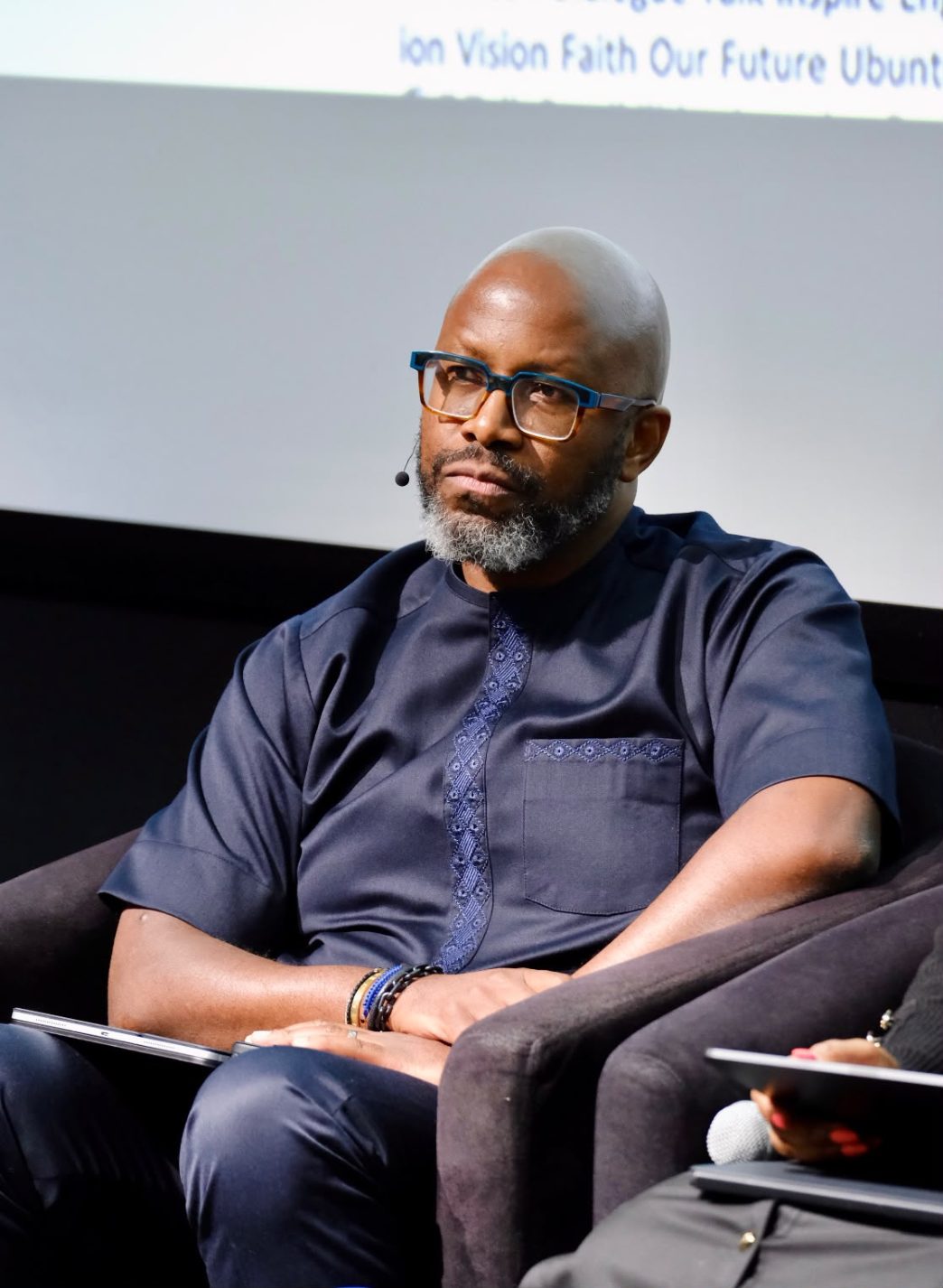
Speaking at the Kgalema Motlanthe Foundation Winter Seminar, Mupita said Africa’s future would depend on the free movement of people, capital and ideas, rather than policies that discourage migration and regional integration.
“The digital economy we are fast moving to knows no borders. The future of Africa will not be determined by the borders that separate us, but by the economic opportunities that connect us,” Mupita said.
Read also: Airtel Money IPO puts MTN, Safaricom under fresh pressure to unlock mobile money value
His remarks come as African governments seek to accelerate implementation of the African Continental Free Trade Area (AfCFTA), a pact designed to create a single market of about 1.4 billion people with a combined economic output estimated at around $3.4 trillion.
Mupita argued that while governments have focused on removing tariff barriers, psychological barriers created by xenophobia remain a significant obstacle to deeper economic integration.
“Migration is part of who we are,” he said, adding that movement across borders has historically driven trade, innovation and investment across the continent.
The MTN chief backed his argument with the company’s own financial performance.
“We earn about 80 percent to 82 percent of our earnings from outside South Africa,” he said, highlighting how one of Africa’s largest telecommunications companies relies overwhelmingly on markets beyond its home country.
The figures illustrate how South African multinationals have become increasingly dependent on growth across the continent, particularly as domestic economic expansion remains weak.
MTN operates in 16 markets across Africa and the Middle East, with major businesses in Nigeria, Ghana, Uganda, Rwanda and Cameroon contributing a growing share of its earnings.
Business case for integration
Mupita’s comments reflect a growing concern among corporate leaders that political nationalism and anti-immigrant rhetoric could slow Africa’s economic transformation at a time when companies are investing heavily in digital infrastructure, fintech and cross-border services.
Unlike traditional industries, digital businesses depend less on physical borders and more on the seamless movement of talent, technology and capital.
“The mindset of exclusion is an outdated relic. Governments must set predictable policy and regulations. Businesses will follow and allocate resources and capital,” Mupita said, urging governments to create predictable policies that encourage investment.
The remarks effectively reposition Pan-Africanism as an economic strategy rather than simply a political or moral ideal.
For companies such as MTN, which generate most of their revenue outside their home market, regional stability and openness have become commercial necessities.
A warning for AfCFTA
The intervention also highlights one of the less-discussed risks facing the AfCFTA.
While member states have made progress in reducing tariffs and negotiating trade rules, recurring tensions over immigration and the treatment of foreign nationals continue to threaten the movement of labour and entrepreneurship that many economists say is essential for a functioning single market.
South Africa, Africa’s most industrialised economy, has periodically experienced outbreaks of violence targeting foreign-owned businesses and migrants, raising concerns among investors about the continent’s commitment to economic integration.
Read also: Lagos launches digital building insurance scheme, targets 500,000 buildings
Mupita suggested Africa cannot fully benefit from its free trade agreement if people remain unwilling to accept greater mobility across borders.
His comments also come as telecom operators expand digital payment platforms, cloud services and artificial intelligence infrastructure that increasingly serve customers across multiple countries rather than within individual markets.
As Africa’s digital economy expands, executives say policy consistency and regional cooperation will become as important as physical infrastructure.
Read Next

ntel seeks fresh capital to fuel digital infrastructure expansion after AMCON recovery
Get Newsletter Updates
Enjoying our column?
Subscribe to our specialised **Tech Pulse** feed to receive fresh reports and analyses directly in your inbox.