
Nigeria’s exports to the United States will now attract a 12.5 per cent tariff after Washington placed the country among economies it says have failed to adopt and enforce adequate measures against goods produced with forced labour.
The new tariff, announced by the Office of the United States Trade Representative (USTR), is part of a wider trade action affecting 60 economies investigated under Section 301 of the US Trade Act.
According to the USTR, Nigeria was subjected to the higher tariff because it does not have what the United States considers an effective prohibition on the importation of goods produced through forced labour. Countries that have already implemented, or formally committed to implementing, such prohibitions will instead face a lower tariff rate of 10 per cent.
The USTR explained that the 10 per cent duty applies to economies that have enacted forced labour import bans, pledged to enforce them through reciprocal trade agreements, or introduced partial regimes that effectively block the importation of certain goods linked to forced labour.
A Federal Register notice confirmed that Nigerian products would be subject to the 12.5 per cent tariff, except for items listed under specific exemptions contained in Annexes I and II of the notice.
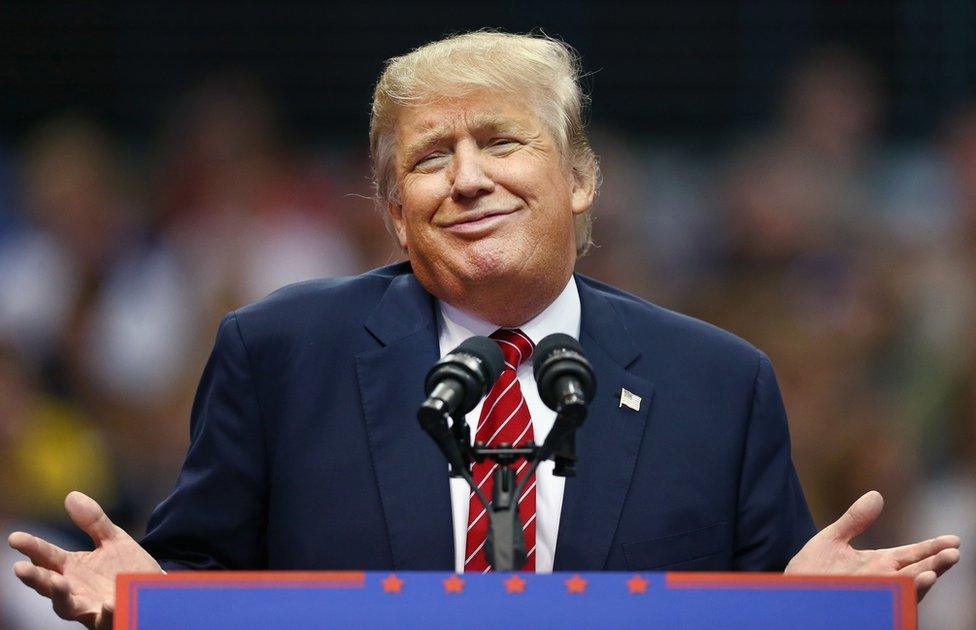
The decision follows Donald Trump’s invocation of Section 122 of the Trade Act of 1974 to introduce temporary universal tariffs after the US Supreme Court blocked his broader tariff programme that relied on the International Emergency Economic Powers Act.
Jamieson Greer, the United States Trade Representative, said the policy is intended to compel trading partners to strengthen efforts against forced labour in global supply chains.
“President Trump recognises that decades of moral suasion have not eradicated forced labour from global supply chains. The United States has had a forced labour import ban for nearly a century. It’s well past time for our trading partners to do the same,” Greer said.
The USTR noted that some products would remain exempt from the tariffs, including raw materials whose restriction could trigger supply shortages, goods that are not available in sufficient quantities from alternative sources, and products originating from countries that already enforce bans on forced labour imports.
The development could have implications for Nigerian exporters seeking access to the US market, particularly in sectors reliant on competitive pricing. It also adds pressure on the Federal Government to strengthen labour standards and review trade policies to align with evolving international requirements.
The United States remains one of Nigeria’s key trading partners, with bilateral trade spanning crude oil, agricultural commodities, manufactured goods and other non-oil exports. Trade analysts say Nigeria may need to strengthen its regulatory framework on labour practices to avoid further trade restrictions and improve the competitiveness of its exports in the US market.